A request that says “we need a sign” is enough to open a conversation, but it leaves many decisions unresolved. The price and work involved can change with the sign position, size, materials, lighting and installation conditions. A useful brief does not need to be technical. It needs to explain the place, the purpose and what is already known.
Show the whole setting
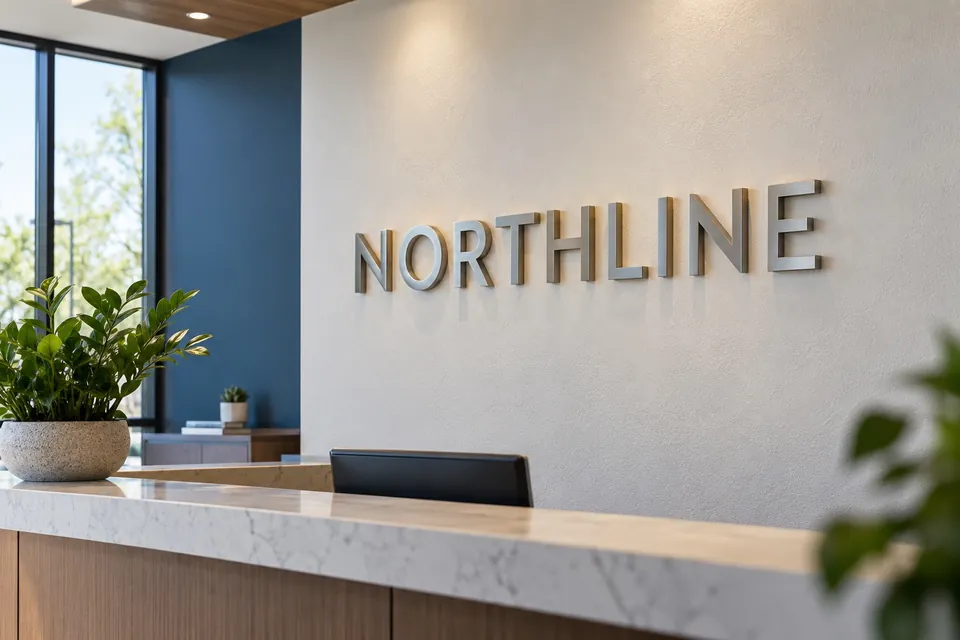
Send a wide photograph of the building or property, a closer view of the proposed sign position and a view from the customer’s approach. Include the doorway, parking entrance or neighboring tenant signs when those features affect how people arrive. For an interior sign, show the reception desk, wall and nearby lighting.
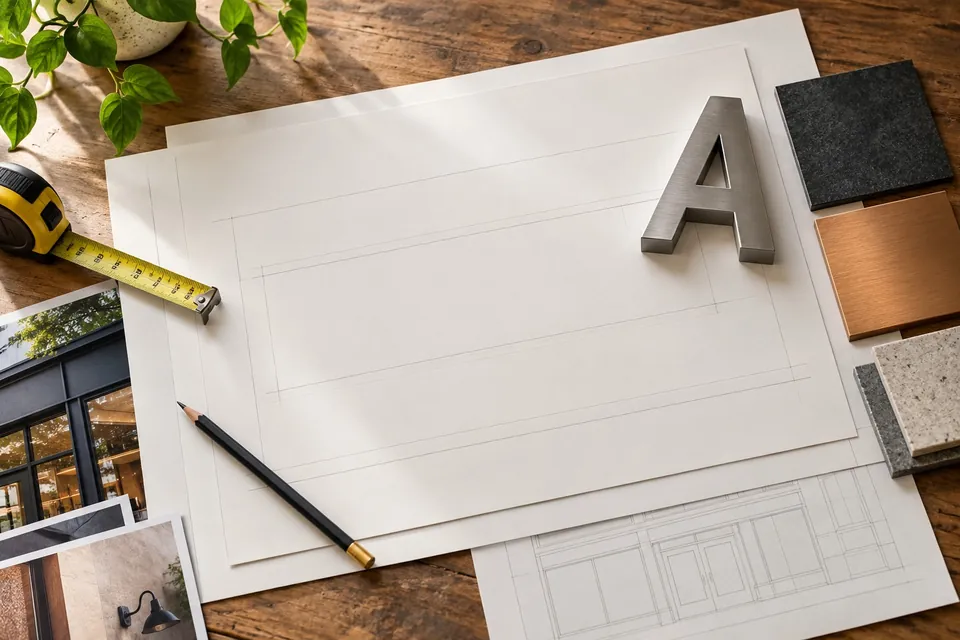
Mark the intended position on a copy of the photograph if that helps. An approximate width and height are useful, provided they are clearly described as estimates. Final measurements and site conditions still need to be confirmed before production.
Explain what the sign must achieve
Is the priority being recognized from the street, identifying a particular suite, welcoming visitors or making an opening visible? A monument sign and reception lettering can both identify a business, but they serve different moments in the customer’s journey. Describe the problem rather than choosing dimensions without context.
For example, a Briar Chapel business sign brief might need to explain the route from shared parking to a specific entrance. Include that route alongside the logo so the quote can address the actual arrival experience.
Gather the artwork you already have
Send the best available logo file, brand colors and any written brand guidelines. If you have a vector original, include it; if all you have is an image, say so. Do not enlarge a small image and assume it has become production-ready. The design and fabrication process can identify what needs to be redrawn or clarified.
- Confirm the exact business name and spelling.
- Separate permanent wording from temporary opening details.
- Identify who is authorized to approve the final artwork.
Share the constraints early
Include landlord sign criteria, known approval requirements, the expected opening date and any access restrictions. For illuminated signs, note whether an existing sign uses power at the proposed location. For a replacement, provide photographs of the current sign and explain whether removal and making good are part of the request.
State a target date as a goal, not an assumed production commitment. Design review, site checks, approvals, materials and installation access can all affect the agreed schedule. If you have a budget range, sharing it can help frame the options without requiring an exact specification first.
Keep the first message focused
A clear paragraph plus useful photographs is often more helpful than a long list of sign terms. Tell us what is confirmed and what you want advice on. Our planning checklist organizes these details, and the sign service guide explains the main formats. When you are ready, send your project details or call to talk through the scope before choosing a final approach.